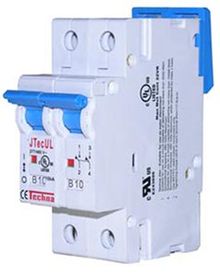
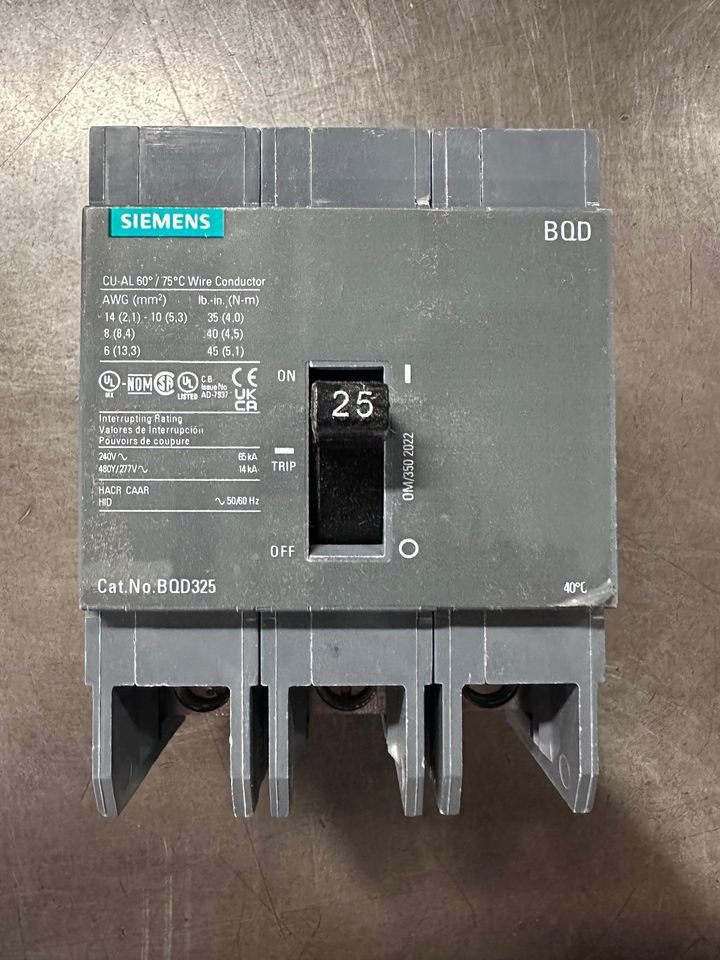
Circuit Breaker Identification Guide

Proper circuit breaker identification is essential when replacing a faulty breaker, upgrading an electrical panel, or locating a hard-to-find replacement. Many circuit breakers look similar, but differences in manufacturer, amperage, voltage rating, and panel compatibility can make selecting the correct replacement challenging.

This Circuit Breaker Identification Guide will help homeowners, electricians, contractors, and facility managers identify circuit breakers and locate compatible replacement breakers for residential, commercial, and industrial electrical systems.

Circuit Breaker Identification GuideWhy Circuit Breaker Identification Matters

Installing the wrong breaker can create safety hazards, cause nuisance tripping, or damage electrical equipment. Before replacing a breaker, it is important to identify:

  • Manufacturer and brand
  • Breaker model number
  • Amperage rating
  • Voltage rating
  • Breaker type
  • Panel compatibility

Correct identification helps ensure safe operation and compliance with electrical codes.

Step 1: Identify the Breaker Manufacturer

The first step is determining who manufactured the breaker. Most breakers have the manufacturer's name printed on the handle, side label, or front face.

Common circuit breaker manufacturers include:

  • Square D
  • Siemens
  • Cutler Hammer / Eaton
  • General Electric (GE)
  • Federal Pacific (FPE)
  • Zinsco
  • Challenger
  • Bryant
  • Pushmatic
  • Westinghouse

If the label is damaged or missing, a qualified electrical supplier may still be able to identify the breaker based on its physical design.

Step 2: Locate the Amperage Rating

The breaker amperage is usually displayed prominently on the breaker handle.

Common breaker sizes include:

  • 15 Amp
  • 20 Amp
  • 30 Amp
  • 40 Amp
  • 50 Amp
  • 60 Amp
  • 100 Amp
  • 200 Amp

Learn more in our Circuit Breaker Amperage Guide.

Step 3: Determine the Breaker Type

Several breaker styles are commonly used in residential and commercial electrical systems.

  • Single-Pole Breakers
  • Double-Pole Breakers
  • Tandem Circuit Breakers
  • GFCI Circuit Breakers
  • AFCI Circuit Breakers
  • Bolt-On Circuit Breakers
  • Molded Case Circuit Breakers

Identifying the breaker type is often necessary before purchasing a replacement.

Learn more about Tandem Circuit Breakers and GFCI Circuit Breakers.

Step 4: Check the Model Number

Most breakers include a manufacturer part number or catalog number printed on the side or rear label. This number is often the easiest way to locate an exact replacement breaker.

Examples may include:

  • QO120
  • QO220
  • QP120
  • BR120
  • THQL1120

Having the model number available can greatly speed up the identification process.

Identifying Obsolete Circuit Breakers

Many older electrical systems still contain obsolete breakers that are no longer manufactured. These breakers often require specialized sourcing through surplus and obsolete electrical suppliers.

Some of the most commonly requested obsolete breakers include:

  • Federal Pacific (FPE)
  • Zinsco
  • Challenger
  • Pushmatic
  • Bryant
  • Bulldog

Learn more on our Obsolete Circuit Breakers page.

How to Identify a Replacement Circuit Breaker

When searching for a replacement breaker, compare the following:

  • Manufacturer
  • Model number
  • Amperage rating
  • Voltage rating
  • Physical dimensions
  • Panel compatibility

Many breakers may appear similar but are not approved for use in the same electrical panel.

Visit our Circuit Breaker Compatibility Guide for more information.

Hard-to-Find Circuit Breakers in San Diego

Electrical Supplies Unlimited specializes in identifying and sourcing hard-to-find circuit breakers in San Diego. Our inventory includes new, used, surplus, and obsolete breakers from many leading manufacturers.

Whether you're looking for a discontinued breaker, replacement panel component, or obsolete electrical equipment, our experienced staff can often help locate the correct part.

Visit our Hard to Find Circuit Breakers San Diego page to learn more.

Need Help Identifying a Circuit Breaker?

If you're unsure which breaker you have, bring your breaker into Electrical Supplies Unlimited or contact our team. We can often identify difficult-to-read model numbers, obsolete breakers, and compatible replacement options.

With over 40 years of experience, ESU is one of San Diego's trusted sources for circuit breakers, transformers, electrical panels, and hard-to-find electrical equipment.

More Circuit Breaker Resources

Magnetic Circuit Breakers

Magnetic circuit breakers are a key type of electrical protection device designed to automatically shut off power when an overload or short circuit occurs. These breakers use a magnetic mechanism to detect sudden spikes in electrical current and react almost instantly to protect wiring and electrical systems.

They are commonly used in residential, commercial, and industrial electrical systems where fast and reliable protection is required.

How Magnetic Circuit Breakers Work

Magnetic circuit breakers operate using an electromagnetic coil that responds to sudden increases in current. When a short circuit occurs, the magnetic field rapidly trips the breaker, disconnecting power within milliseconds.

This fast response makes them highly effective for protecting sensitive electrical equipment and preventing electrical fires.

Magnetic vs Thermal Circuit Breakers

Magnetic breakers are often compared to thermal breakers, which respond to heat buildup over time rather than instant current spikes.

  • Magnetic breakers: Respond instantly to short circuits and sudden surges
  • Thermal breakers: Respond to prolonged overload conditions

Many modern circuit breakers combine both technologies for dual protection.

Where Magnetic Circuit Breakers Are Used

Magnetic circuit breakers are commonly installed in systems that require fast response protection, including:

  • Residential electrical panels
  • Commercial buildings
  • Industrial machinery
  • HVAC systems
  • Motor control systems

Benefits of Magnetic Circuit Breakers

  • Fast response to electrical faults
  • Improved protection against short circuits
  • Reduced risk of electrical fires
  • Reliable performance in high-demand systems

Choosing the Right Circuit Breaker

Selecting the right breaker depends on your electrical system, load requirements, and panel compatibility. Magnetic breakers are ideal when fast fault interruption is a priority.

For help selecting the correct breaker type, visit our guide: How to Choose the Right Circuit Breaker.

Related Circuit Breaker Types

Magnetic circuit breakers are part of a broader category of electrical protection devices. Learn more about other breaker types:

Circuit Breakers in San Diego

If you are located in San Diego and need circuit breakers or electrical supply support, visit our main local page: Circuit Breakers San Diego.

We also provide purchasing options for customers looking to buy breakers locally: Buy Circuit Breakers in San Diego.

Electrical Safety and Professional Guidance

Electrical systems should always be evaluated by qualified professionals. If you are experiencing frequent breaker trips or panel issues, it may indicate a larger system problem that requires inspection or upgrade.

Common Tripping Circuit Breakers

If your circuit breaker keeps tripping, it is usually a sign that your electrical system is trying to protect itself from an overload, short circuit, or ground fault. Understanding the common causes of tripping circuit breakers can help you identify whether the issue is minor or a sign of a larger electrical problem.

In many San Diego homes, circuit breakers trip due to increased electrical demand from modern appliances, aging panels, or faulty wiring.

common tripping circuit breakersWhat Does It Mean When a Circuit Breaker Trips?

A circuit breaker trips when it automatically shuts off power to prevent overheating or electrical hazards. This safety feature helps protect your home from electrical fires and equipment damage.

If your breaker trips repeatedly, it is important to identify the underlying cause rather than simply resetting it.

Common Reasons Circuit Breakers Trip

1. Overloaded Circuit

An overloaded circuit occurs when too many devices are drawing power from the same circuit. This is one of the most common reasons breakers trip in residential homes.

2. Short Circuit

A short circuit happens when a hot wire touches a neutral wire, causing a sudden surge of electricity. This is a serious issue that requires immediate attention from a qualified electrician.

3. Ground Fault

Ground faults occur when electricity takes an unintended path to the ground. This is especially common in areas with moisture such as kitchens, bathrooms, and outdoor outlets.

4. Faulty Appliances

Sometimes the issue is not the wiring, but a malfunctioning appliance. A defective device can draw excessive current and cause the breaker to trip.

5. Outdated Electrical Panel

Older electrical panels may struggle to handle modern electrical loads, leading to frequent breaker trips. In these cases, an upgrade may be necessary.

Learn more about system limitations in our guide on how many breakers can be in a panel.

When to Be Concerned About Frequent Tripping

Occasional tripping is normal, but frequent or repeated trips may indicate a larger issue within your electrical system. Warning signs include:

  • Breakers that trip multiple times per week
  • Burning smell near the electrical panel
  • Flickering or dimming lights
  • Breakers that will not reset properly

If you notice these symptoms, it may be time to evaluate your system or consider a panel upgrade.

Do You Need a Panel Upgrade?

If your electrical panel is outdated or undersized, it may not be able to handle your home’s current power demands. Many San Diego homes require upgrades to support modern appliances and electrical loads.

Read our full guide on when to upgrade your electrical panel and explore pricing in our panel upgrade cost guide.

Related Circuit Breaker Guides

Explore more helpful resources to understand your electrical system:

Circuit Breakers La Jolla San Diego

Circuit Breakers in La Jolla San Diego – New & Used Breakers, Panels & Electrical Supplies
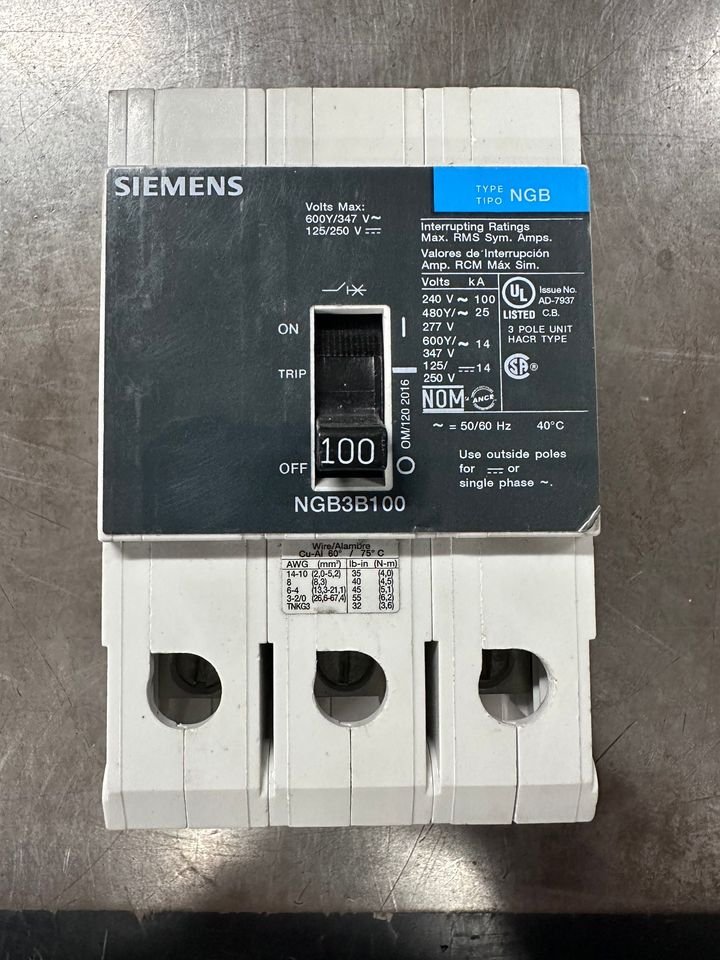
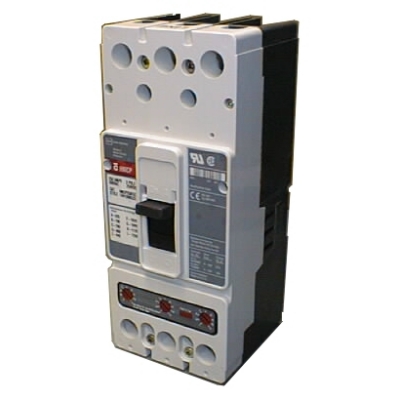
Electrical Supplies Unlimited (ESU) is your trusted source for Circuit Breakers in La Jolla San Diego, serving contractors, electricians, property managers, and homeowners throughout Bay Ho and surrounding communities including Del Mar, Sorento Valley, Hillcrest, Golden Hill, Bankers Hill, and greater San Diego County.

We buy and sell both new and used circuit breakers, electrical panels, transformers, and electrical equipment. Whether you need replacement breakers, obsolete breakers, or hard-to-find electrical components, ESU provides dependable solutions backed by over 40 years of industry experience.

San Diego’s Trusted Circuit Breaker Supplier Since 1985

ESU has proudly served the San Diego electrical supply industry for more than four decades. As a fully stocked electrical distributor and wholesaler, we carry a wide range of residential, commercial, and industrial electrical supplies designed to meet virtually any project requirement.

Our experienced team specializes in locating discontinued, surplus, and specialty electrical products, helping customers source reliable solutions quickly and efficiently.

Leading Circuit Breaker Brands Available

Our extensive inventory includes major circuit breaker manufacturers and trusted industry brands, including:

General Electric (GE), Siemens / ITE, Cutler Hammer, Square D, Federal Pacific (FPE), Pushmatic, Zinsco, Challenger, Bryant, Westinghouse, Sylvania, Crouse Hinds, Bulldog, and many more.

Complete Electrical Supply Inventory

In addition to circuit breakers, ESU stocks a large inventory of:

  • Transformers
  • Panelboards up to 600V
  • Disconnects & Safety Switches
  • Fuses up to 3000 Amps
  • Meter Sockets
  • Motor Starters & Relays
  • Lighting Ballasts & Fixtures
  • Bolt Switch Pullouts
  • Commercial & Residential Electrical Supplies

We also offer Greenlee tool rentals, conduit benders, wire pullers, and additional electrician equipment for contractors throughout San Diego County.

Specialists in New, Used & Obsolete Circuit Breakers

ESU is San Diego’s go-to source for new, used, surplus, and obsolete circuit breakers. We carry a broad range of amperages and voltages for nearly every major electrical system.

Examples of our inventory include:

  • 20 Amp to 125 Amp Zinsco breakers
  • 15 Amp to 100 Amp Pushmatic breakers
  • 20 Amp to 1200 Amp Siemens breakers
  • 15 Amp to 1200 Amp Federal Pacific (FPE) breakers
  • Single-phase and 3-phase commercial breakers

Whether you need residential breaker replacements, commercial electrical upgrades, or industrial breaker solutions, our knowledgeable staff can help you select the right product for your project.

Serving La Jolla & Greater San Diego

We proudly provide circuit breakers and electrical supplies throughout:

  • Allied Gardens
  • Hillcrest
  • Golden Hill
  • Bankers Hill
  • University City
  • Vista
  • Oceanside
  • Carlsbad
  • San Marcos
  • All San Diego County

We also ship many products nationwide for customers outside the San Diego region.

Your Local Circuit Breaker Experts

At Electrical Supplies Unlimited, we combine decades of electrical supply expertise with one of the region’s most diverse inventories of circuit breakers and electrical equipment.

Whether you’re replacing outdated breakers, sourcing specialty equipment, or upgrading electrical infrastructure, ESU delivers dependable products, expert guidance, and exceptional customer service.

Call ESU today at 858.558.2850 to speak directly with one of our electrical supply specialists and find the right circuit breaker or electrical solution for your needs.

Circuit Breaker Not Resetting: Causes and Solutions

If your circuit breaker is not resetting, it is usually a sign of an underlying electrical problem that needs attention. A breaker that immediately trips again, feels loose, or refuses to stay in the ON position may indicate an overloaded circuit, short circuit, ground fault, or a defective breaker.

Understanding why a circuit breaker will not reset can help you identify potential safety hazards and determine whether you need a simple repair, breaker replacement, or a larger electrical upgrade.

Circuit breaker not resetting in electrical panelWhy Is My Circuit Breaker Not Resetting?

Circuit breakers are designed to shut off power when they detect dangerous conditions such as overloads or short circuits. If the underlying issue still exists, the breaker may refuse to reset in order to protect your electrical system.

In some cases, the breaker itself may be worn out or damaged and require replacement.

Step 1: Make Sure the Breaker Is Fully Reset

Many people do not realize that a tripped breaker must first be switched completely to the OFF position before it can be reset.

To properly reset a breaker:

  • Move the breaker fully to the OFF position.
  • Wait a few seconds.
  • Firmly move the breaker back to the ON position.

If the breaker immediately trips again, further troubleshooting is required.

Step 2: Check for an Overloaded Circuit

One of the most common causes of a breaker that will not reset is an overloaded circuit. Too many devices operating on the same circuit can exceed the breaker's rated capacity.

Try unplugging appliances, electronics, and equipment connected to the affected circuit before attempting to reset the breaker again.

If overloading is a recurring problem, you may need additional circuits or an electrical panel upgrade.

Step 3: Look for a Short Circuit

A short circuit occurs when electrical current follows an unintended path with little resistance. Short circuits can generate significant heat and may cause the breaker to trip instantly.

Signs of a possible short circuit include:

  • Burning odors
  • Discolored outlets or switches
  • Sparks
  • Melted wiring insulation

Short circuits should be investigated immediately to prevent potential fire hazards.

Step 4: Check for Ground Faults

Ground faults are especially common in kitchens, bathrooms, garages, outdoor circuits, and areas exposed to moisture. Ground fault conditions can cause both standard breakers and GFCI circuit breakers to trip.

If moisture or damaged wiring is present, the breaker may continue tripping until the fault is corrected.

Step 5: Determine if the Breaker Is Faulty

Like any electrical component, circuit breakers can wear out over time. Older breakers may become weak, fail internally, or lose their ability to properly reset.

Common signs of a bad breaker include:

  • Breaker feels loose in the panel
  • Breaker will not remain ON
  • Burn marks or discoloration
  • Breaker trips with little or no electrical load

Learn more in our guide on Signs of a Bad Circuit Breaker.

When Should a Circuit Breaker Be Replaced?

If troubleshooting confirms that the breaker itself is defective, replacement is often the safest solution. Modern breakers provide improved reliability and protection compared to aging or obsolete models.

Read our complete Circuit Breaker Replacement Guide to learn more about selecting the correct replacement breaker.

Older Panels May Require Additional Upgrades

Some older electrical panels may have recurring breaker problems because the panel itself is outdated or operating beyond its intended capacity.

Common older breaker systems include Federal Pacific (FPE), Zinsco, Challenger, and Pushmatic panels. These systems are frequently upgraded due to safety concerns and replacement part availability.

Learn more in our guide on Replacing FPE, Zinsco, and Challenger Breakers.

Should You Upgrade Your Electrical Panel?

If your breakers trip frequently, your panel is full, or your electrical needs have increased significantly, it may be time for a panel upgrade.

Modern homes often require additional capacity for HVAC systems, electric vehicle chargers, home offices, and other high-demand electrical equipment.

Learn more in our guide on When to Upgrade Your Electrical Panel.

Finding Replacement Circuit Breakers in San Diego

Electrical Supplies Unlimited carries a large inventory of new, used, surplus, and obsolete circuit breakers for residential, commercial, and industrial applications. We stock products from many major manufacturers and can help locate difficult-to-find replacement breakers.

Whether you need a standard residential breaker, specialty commercial breaker, or replacement for an older electrical panel, our experienced staff can help you find the right solution.

More Circuit Breaker Resources